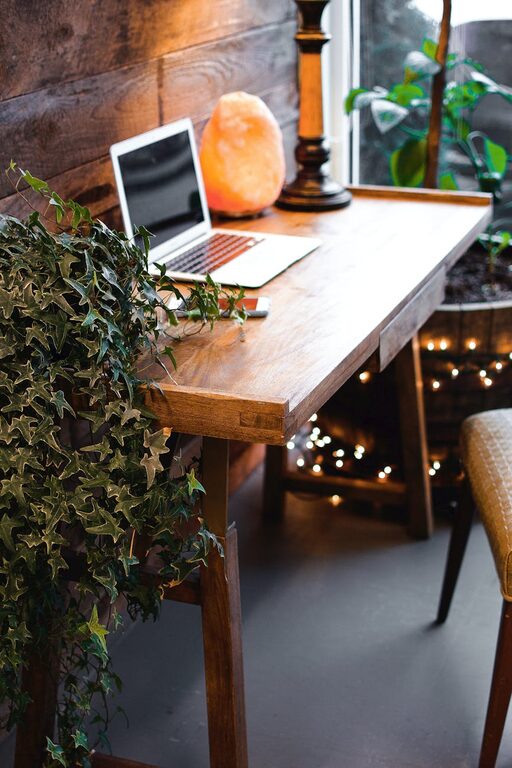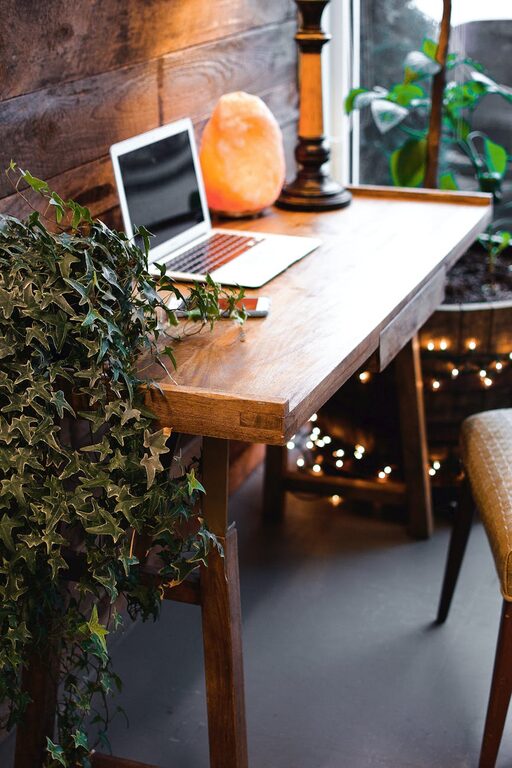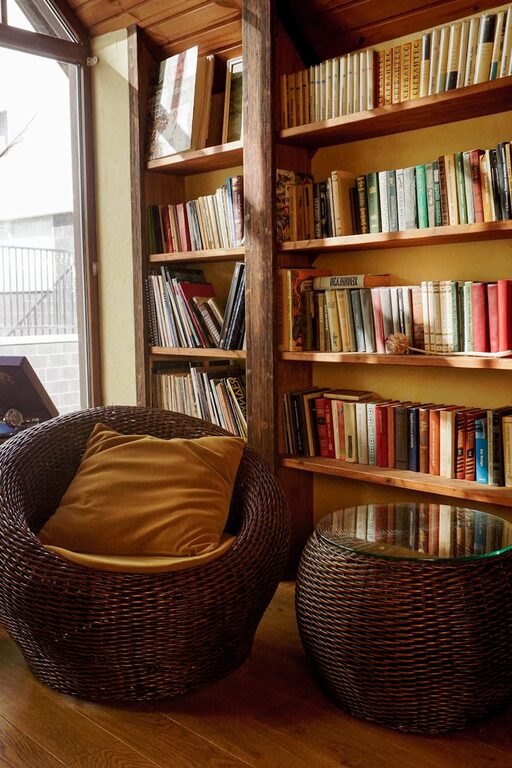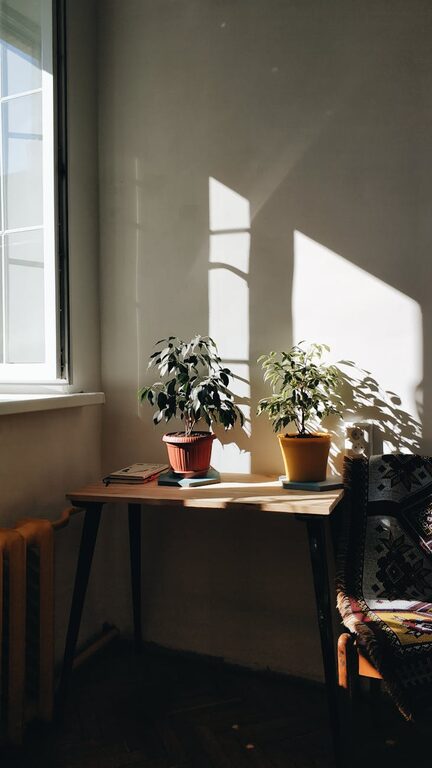
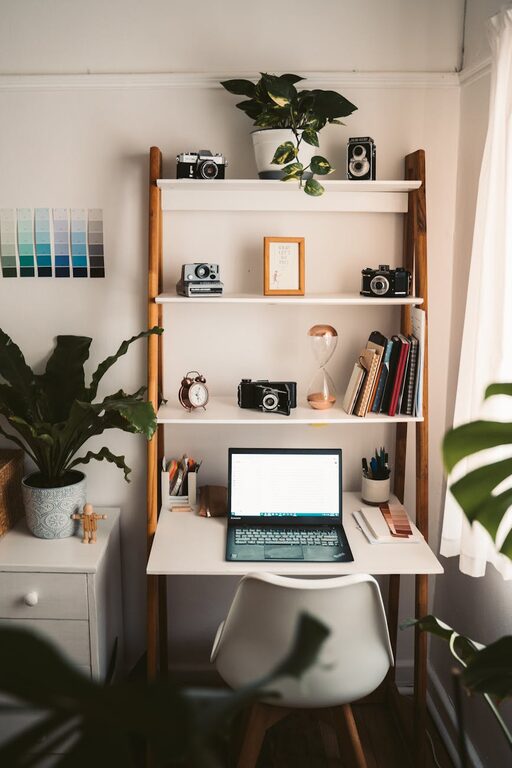
Creating a cozy and functional home workspace is essential for anyone working remotely or spending time on projects at home. A well-designed workspace can improve your focus, reduce stress, and make long hours more enjoyable. In this post, we will explore practical tips to help you craft a comfortable and efficient work environment that suits your needs.
Why Your Workspace Matters
Your work environment directly impacts your productivity and well-being. A cluttered, uncomfortable, or poorly lit space can lead to distractions, fatigue, and decreased motivation. On the other hand, a space that feels inviting and works with your natural rhythms encourages creativity and focus. The goal is to balance comfort with practicality to support your daily tasks.
Choose the Right Location
Finding the ideal spot in your home is the first step. Here are some points to consider:
– Natural Light: A location near a window can boost your mood and energy. Natural light reduces eye strain and helps regulate your body clock.
– Quiet and Private: Select an area with minimal distractions. If your home is busy, consider using room dividers or noise-canceling headphones.
– Space Availability: Ensure there’s enough room for your desk, chair, and any equipment or materials you need.
Invest in Ergonomic Furniture
Comfort is key when you spend long hours working. Ergonomic furniture supports your posture and prevents discomfort.
– Desk: Choose a desk with enough surface area for your computer, notes, and accessories. Adjustable desks that allow you to alternate between sitting and standing can be beneficial.
– Chair: Invest in a chair with good lumbar support, adjustable height, and armrests. Proper seating reduces back and neck strain.
– Footrest & Accessories: If your feet don’t rest comfortably on the floor, a footrest can improve posture. Keyboard trays or monitor stands help position devices correctly.
Organize for Efficiency
A tidy and organized workspace allows for smoother workflows. Use these organizing tips:
– Storage Solutions: Utilize shelves, drawers, or filing cabinets to keep documents and supplies in order.
– Desk Organizers: Use trays, pen holders, and cable management tools to reduce clutter.
– Digital Organization: Keep your computer desktop clean, and use digital tools for notes and scheduling.
Focus on Lighting
Good lighting reduces eye strain and sets the mood in your workspace.
– Natural Light: As mentioned, maximize daylight where possible.
– Task Lighting: Add a desk lamp with adjustable brightness to focus on your work area.
– Ambient Lighting: Soft overhead lighting creates balance without harsh shadows.
Personalize Your Space
Making your workspace feel welcoming can boost motivation and reduce stress.
– Decor: Add plants, artwork, or inspirational quotes that make you smile.
– Colors: Choose calming colors like blues or greens, or energizing tones like yellows, depending on your preference.
– Comfort Items: A cozy throw or cushion can add warmth, especially during cooler months.
Manage Technology Wisely
Technology is essential but can become a source of distraction or clutter.
– Reliable Equipment: Use quality devices that meet your work needs to avoid frustration.
– Cable Management: Keep wires organized to prevent tangling and accidents.
– Minimize Distractions: Turn off non-essential notifications and use apps to manage focus time.
Encourage Movement and Breaks
Staying in one position for too long is unhealthy and can reduce productivity.
– Take Regular Breaks: Follow the 50/10 rule—work for 50 minutes, then take a 10-minute break to stretch or walk around.
– Stretching Area: If space allows, designate a small corner for quick stretches or exercises.
– Adjustable Desk Benefits: Standing up occasionally helps circulation and energy levels.
Maintain Cleanliness
A clean workspace is inviting and reduces stress.
– Daily Tidying: Spend a few minutes at the end of the day to put things away.
– Weekly Deep Clean: Dust surfaces, keyboards, and screens to keep your area fresh.
– Air Quality: If possible, ventilate the room or use an air purifier for a healthier atmosphere.
Adapt and Evolve Your Workspace
Your needs may change, so it’s important to revisit your setup periodically.
– Assess Comfort: Adjust furniture or lighting as needed.
– Upgrade Equipment: Replace or add tools that improve your efficiency.
– Reflect on Workflow: Rearrange your space to better support your tasks and habits.
Final Thoughts
Designing a cozy and functional workspace at home is a thoughtful process that pays off in comfort and productivity. By choosing the right location, investing in ergonomic furniture, organizing well, and personalizing the space, you create an environment that supports your work and well-being. Remember to balance practicality with aesthetics and keep your workspace clean and adaptable.
With these tips, your home workspace can become a place where you enjoy spending time and accomplish your goals effectively. Happy decorating!
About the Author